
WATER REMEDIATION & WASTEWATER TREATMENT

Harnessing the Power of Beneficial Microorganisms to Restore Water Quality and Protect Our Natural Water Systems

Water is one of our most valuable natural resources, yet pollution from municipal sewage, agricultural activities, industrial waste and urban development continues to place enormous pressure on our rivers, dams, wetlands and groundwater systems.

Inadequately treated wastewater, excessive organic waste, nutrient accumulation and chemical contamination threaten aquatic ecosystems, biodiversity, human health and the availability of clean water.

At KEYS 2 ECO, we believe that addressing these challenges requires a shift towards more ecological and regenerative approaches to water management.

By working with nature's own biological systems, EM can form part of an integrated approach to improving wastewater treatment, managing sludge accumulation, reducing unpleasant odours and supporting the rehabilitation of polluted water environments.
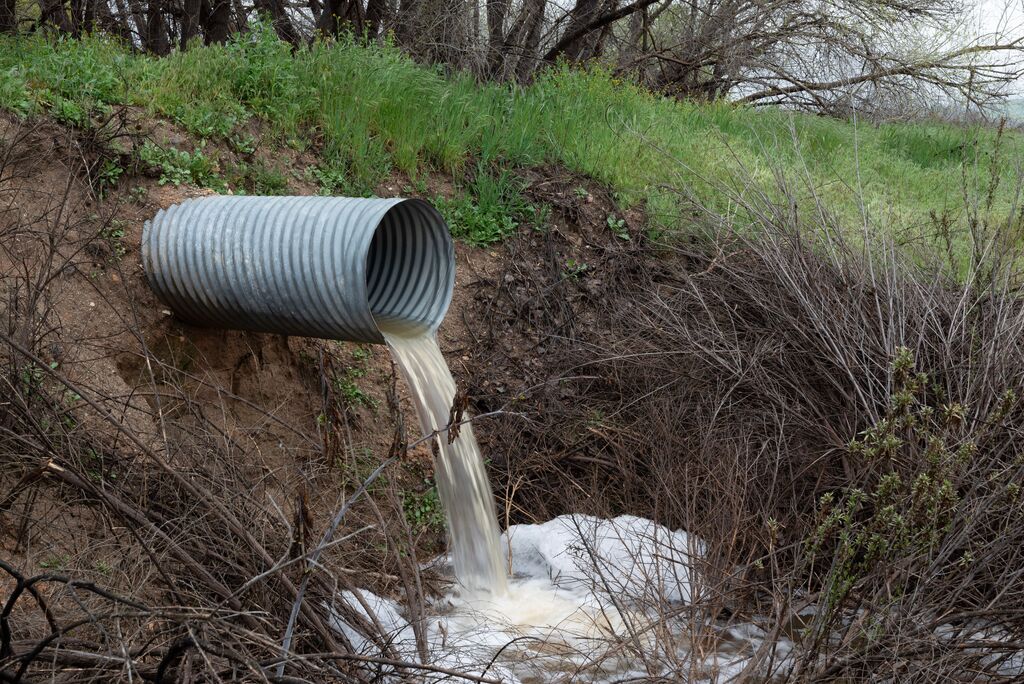
Municipal wastewater treatment facilities face increasing pressure to manage large volumes of sewage while maintaining acceptable effluent quality and minimising environmental pollution.

The accumulation of organic sludge, unpleasant odours, excessive nutrient loads and undesirable microbial activity can place additional demands on treatment infrastructure.

EM can be introduced into suitable wastewater treatment systems to support biological waste digestion and the breakdown of organic matter.

Benefits include:

Supporting the breakdown and reduction of accumulated organic sludge.

Assisting with the management of sludge in treatment tanks, digesters, pipes and holding facilities.

  • Reducing unpleasant odours associated with decomposing organic waste.
  • Supporting reductions in biochemical oxygen demand (BOD) and chemical oxygen demand (COD).
  • Improving the biological treatment environment.
  • Supporting the reduction of suspended organic solids.
  • Assisting with the management of wastewater treatment lagoons and ponds.

Potentially reducing the operational demands associated with sludge management.

EM can be used as a complementary biological treatment within existing wastewater infrastructure, rather than necessarily requiring entirely new treatment systems.

Rivers, dams, lakes, ponds and wetlands are increasingly affected by pollution from agricultural runoff, sewage discharges, industrial activities and urban waste.

Excessive organic matter and nutrient accumulation can contribute to deteriorating water quality, unpleasant odours, algal growth and reduced ecological health.

EM technology can be explored as part of a biological water remediation strategy, supporting the breakdown of organic pollutants and encouraging beneficial microbial activity.

Applications include:

  • Polluted rivers and streams.
  • Contaminated dams and reservoirs.
  • Farm dams and irrigation ponds.
  • Wastewater holding ponds.
  • Industrial water storage facilities.
  • Agricultural runoff collection areas.
  • Wastewater treatment lagoons.
  • Contaminated canals and drainage systems.

Depending on the characteristics of the water body and the nature of the pollution, EM may contribute to improvements in selected water quality indicators, including organic pollution levels, turbidity and unpleasant odours.

The objective is to support the natural biological processes involved in water purification and ecological recovery.

One of the major challenges in wastewater treatment and polluted water management is the accumulation of organic sludge.

Sludge develops through the settling and decomposition of organic materials and can accumulate in:

  • Sewage treatment tanks.
  • Digester tanks.
  • Pipes and drainage channels.
  • Wastewater lagoons.
  • Ponds and dams.
  • Industrial waste systems.
  • Agricultural wastewater facilities.

Excessive sludge accumulation can contribute to unpleasant odours, harmful gas production, reduced system capacity and increased maintenance requirements.

EM microorganisms support the biological breakdown and transformation of organic matter, helping to reduce sludge accumulation over time.

This can contribute to:

  • Improved waste digestion.
  • Reduced organic sludge build-up.
  • Improved management of wastewater infrastructure.
  • Reduced odour generation.
  • More efficient organic waste processing.

The decomposition of organic waste under undesirable conditions can produce unpleasant odours and gases, including hydrogen sulphide and ammonia.

These emissions can affect surrounding communities, farm workers, aquatic environments and the general operation of wastewater facilities.

EM applications may help promote beneficial microbial activity and reduce putrefactive decomposition processes associated with unpleasant odours.

Benefits include:

  • Reducing unpleasant sewage and wastewater odours.
  • Supporting the management of hydrogen sulphide and ammonia emissions.
  • Improving conditions around wastewater treatment facilities.
  • Reducing odour problems associated with sludge accumulation.
  • Supporting better environmental management of wastewater lagoons and holding ponds.

Excessive organic matter and nutrient accumulation can contribute to poor water quality and ecological imbalances.

High levels of nitrogen and phosphorus can encourage excessive algal growth, contributing to eutrophication and deteriorating aquatic conditions.

EM-based biological treatment may assist with the transformation of certain organic compounds and influence nutrient cycling within suitable treatment environments.

Applications include:

  • Wastewater containing high organic loads.
  • Nutrient-rich agricultural runoff.
  • Wastewater treatment ponds.
  • Organic waste collection facilities.
  • Contaminated water storage systems.

Treatment outcomes depend on the specific pollutants present and must be established through water quality testing.